


Automation Arrives in Hospitality: Why Hotels Are Turning to Robots to Strengthen Operations
Service robots are no longer a future trend in hospitality — they are a practical response to structural labour shortages and rising operational complexity, helping hotels stabilise service quality without increasing payroll.
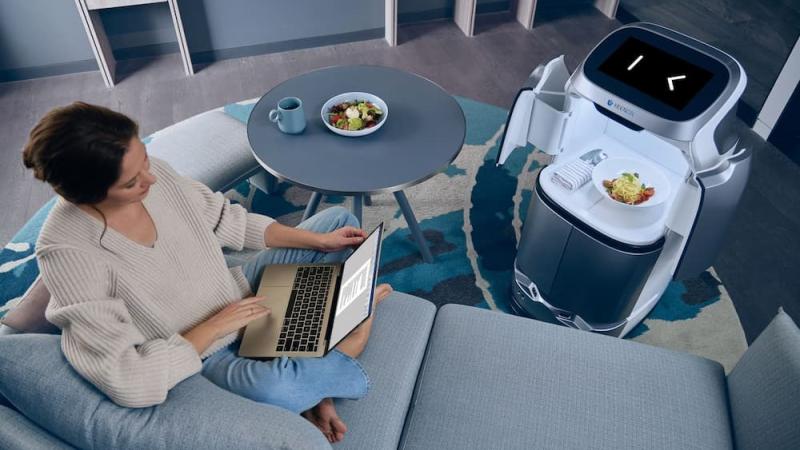
For years, the hospitality industry has balanced two competing forces: the desire to offer warm, personal, human service — and the reality of increasingly complex hotel operations. Today more than ever, these forces are drifting apart. Guest expectations continue to rise, while labour markets remain under pressure. Operational tasks multiply, yet the number of available employees does not.
It is in this gap between what hotels want to deliver and what they can deliver that a new solution has been rapidly gaining ground: autonomous service and logistics robots.
No longer a novelty or a marketing gimmick, robots are emerging as a practical answer to labour shortages, efficiency challenges, and the pressure for consistent service quality. Across Europe, the Middle East, Asia and the Americas, hotels are adopting automation to stabilise operations, support staff and unlock new levels of guest satisfaction.
Why Robots Now? The Forces Reshaping Hotel Operations
Severe and persistent staff shortages
The hospitality labour crisis is not new — but it has become structural.
The labour shortage has become structural
Recent industry estimates indicate:
• ~60% of hotels report severe understaffing
• Housekeeping turnover often exceeds 70% annually
• Over 1 million hospitality roles in Europe remained unfilled post-pandemic
This shortage is not expected to disappear. Many hotels operate entire shifts with fewer employees than needed, especially in housekeeping, F&B support and night operations.
Intensifying operational complexity
Modern hotels handle more work than ever before:
- 24/7 room service expectations
- large breakfast peaks
- conference and event rotations
- multi-floor internal logistics
- sustainability and hygiene standards
- growing guest volume in peak seasons
At the same time, labour costs now represent 50–60% of total operating expenses, growing an additional 8–12% annually in many markets.
Guests expect speed, consistency and comfort
According to global travel insight data:
- 67% of guests say fast service directly affects their review score.
- 42% say technology that improves conveniencepositively influences their perception of the stay.
- Hotels using automation report a 15–25% improvementin room-service satisfaction and delivery consistency.
For hoteliers, this creates a dual challenge: deliver more, deliver it faster, and deliver it more consistently — with fewer hands.
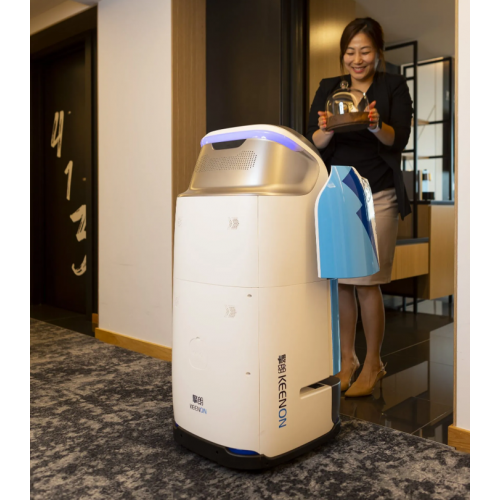
Investment and development budgets favor automation
Across the industry, a growing number of hotel groups report that while expanding headcount is difficult, securing innovation or development funds is significantly easier. Automation falls into the “investment” category, not the “operating cost” category — allowing hotels to solve staffing pressure without expanding payroll.
Where Robots Fit: Operational Roles Supporting Hotel Teams
Robots in hospitality are designed to remove operational friction — not replace human service. Most hotels start with one or two clearly defined use cases and expand over time.
Successful deployments focus on integration with existing workflows, infrastructure and staff routines.
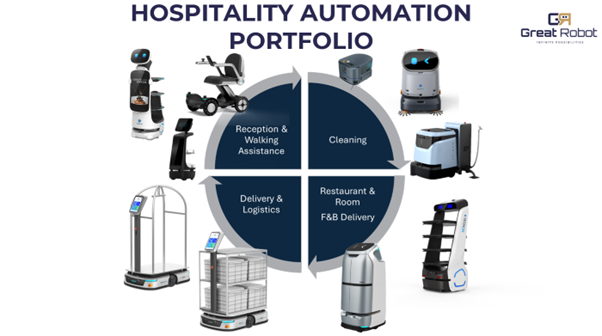
- Autonomous Room Service Delivery
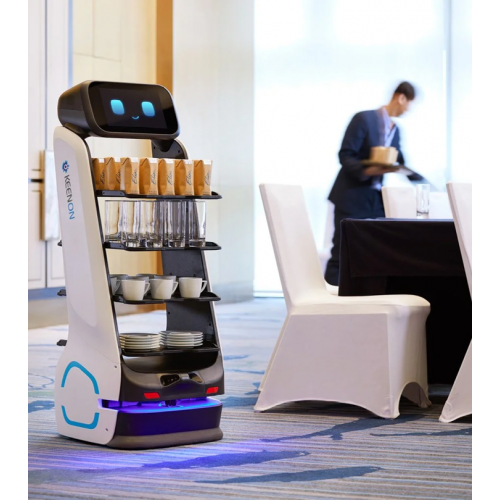
- F&B Support During Peak Times
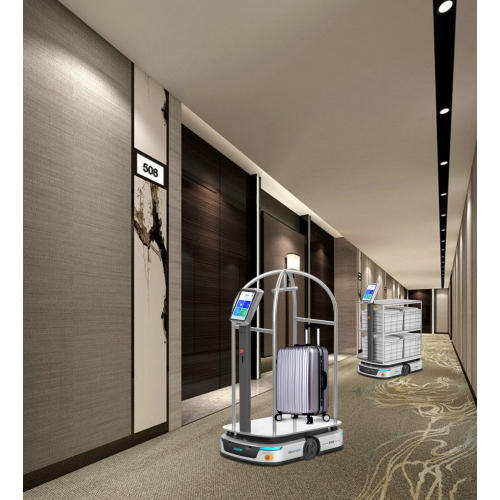
- Housekeeping Logistics and Linen Transport
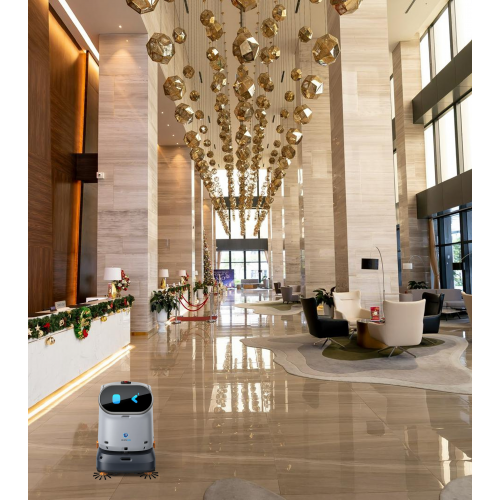
- Autonomous Cleaning of Floors and Public Areas
- Back-of-House Material Transport
How Robots Improve Hotel Operations — Beyond Efficiency
Hotels adopting automation report valuable benefits in relation to operational efficiency, improved staff and customer experience. Humans combined with automation are the future of hospitality where robots enhance:
-
Operational stability → fewer service gaps during peak hours
-
Better guest experience → faster delivery, consistent response times
-
Staff wellbeing → less physical strain, higher retention
-
Operational data → measurable performance and optimisation
-
Sustainability → optimised routes, reduced waste and energy use
The Hospitality Model of the Future Is Hybrid
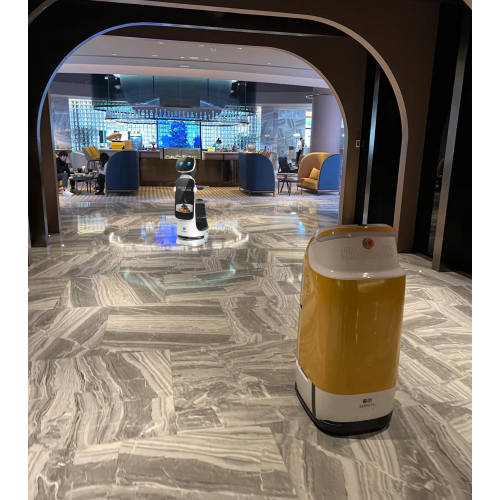
Hotels remain human at the core. Guests value warmth, welcome, empathy, and personal interaction — elements robots will never replace. What robots can take over are the repetitive, exhausting and logistical parts of hospitality: the long walks, heavy bags, endless deliveries, nightly cleaning routines and back-of-house transport cycles. This creates a model where humans provide hospitality, and robots provide consistency. Hotels that adopt this hybrid approach early will be best positioned for the operational demands — and guest expectations — of the next decade.
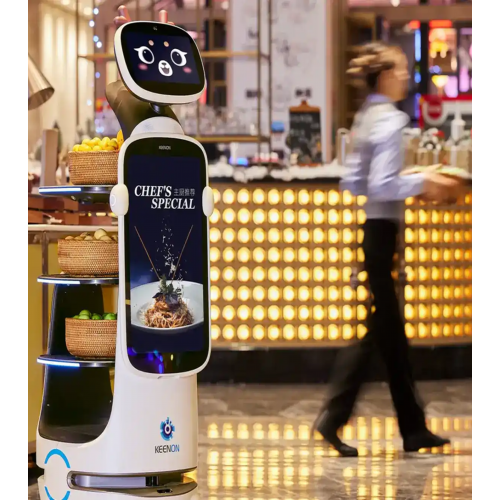
For hotels exploring automation, the key question is no longer if, but where it delivers the most value first. A thoughtful, phased approach makes the difference between a gadget — and a strategic asset.